
Our History
More Than a Century of Learning in the Mountains
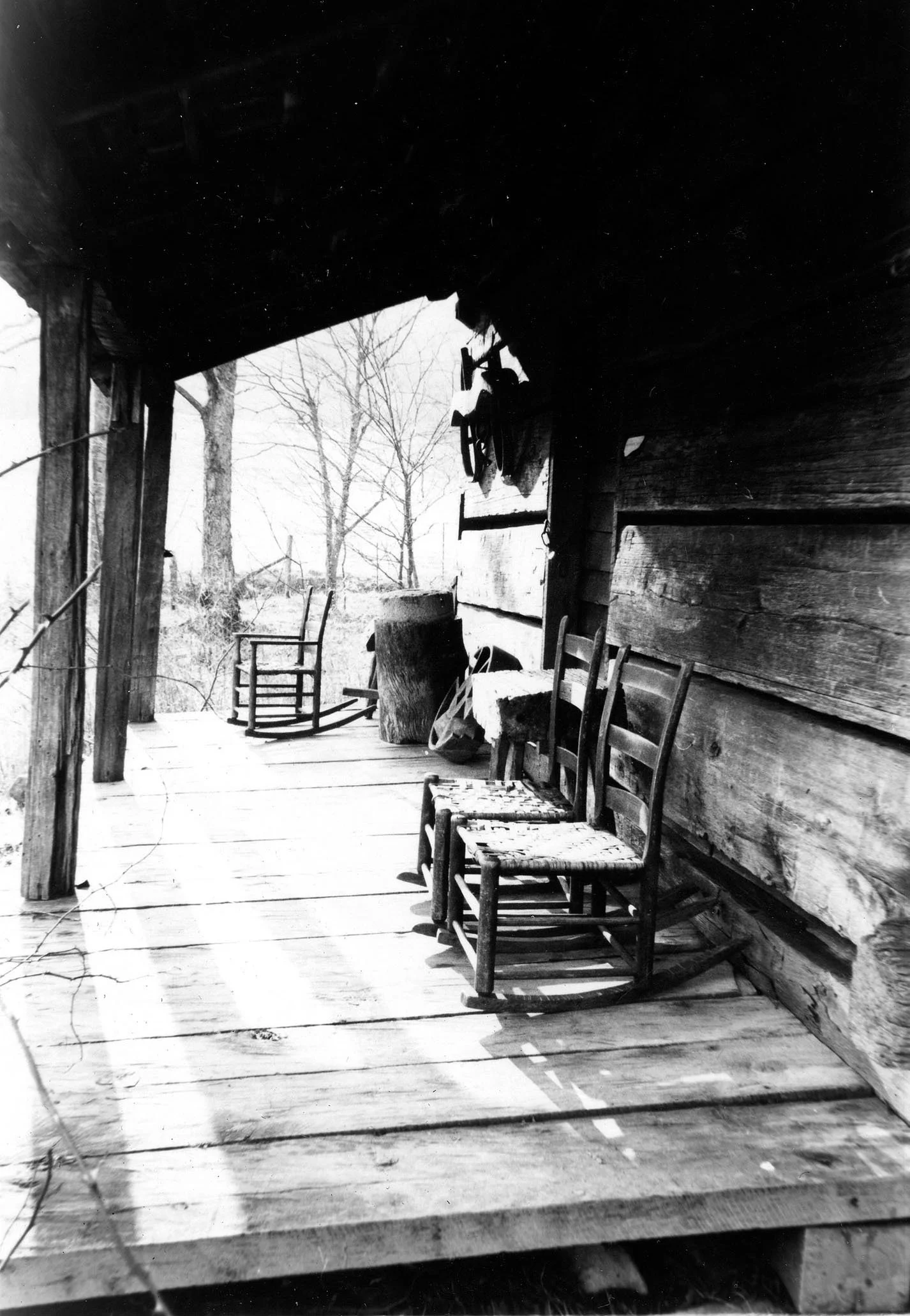
Pine Mountain Settlement School was born from a single act of faith. In 1913, a man named William Creech Sr. — a farmer and community leader in the remote mountains of Harlan County, Kentucky — deeded his land to the future. He had watched his neighbors struggle through generations. He believed something better was possible. And so he gave what he had.
"I have deeded my land to the Pine Mountain Settlement School to be used for school purposes as long as the Constitution of the United States stands. Hopin' it may make a bright and intelligent people after I'm dead and gone." — William Creech Sr.
That land, set in a beautiful mountain valley where three streams converge on the north slope of Pine Mountain, became one of the most remarkable educational institutions in American history. Over 113 years, through coal booms and hard times, through changing visions of what education could and should be, Pine Mountain has endured. Not by staying the same, but by staying true.
The Founders
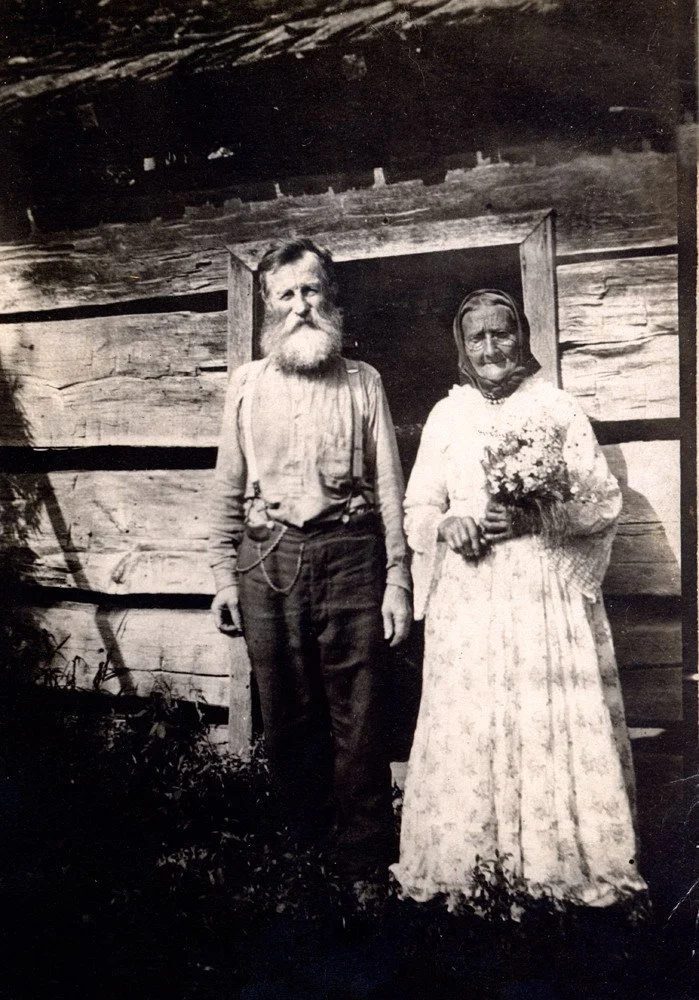
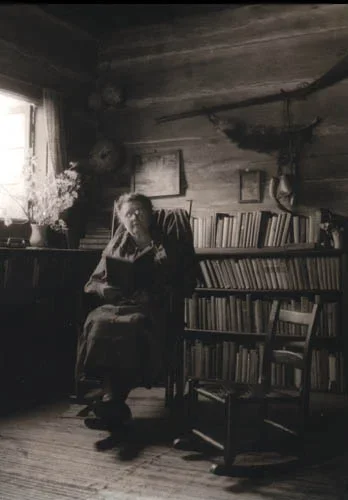
Aunt Sal and Uncle William Creech, in front of their original cabin, celebrating their golden wedding anniversary, 1916.
Katherine Pettit
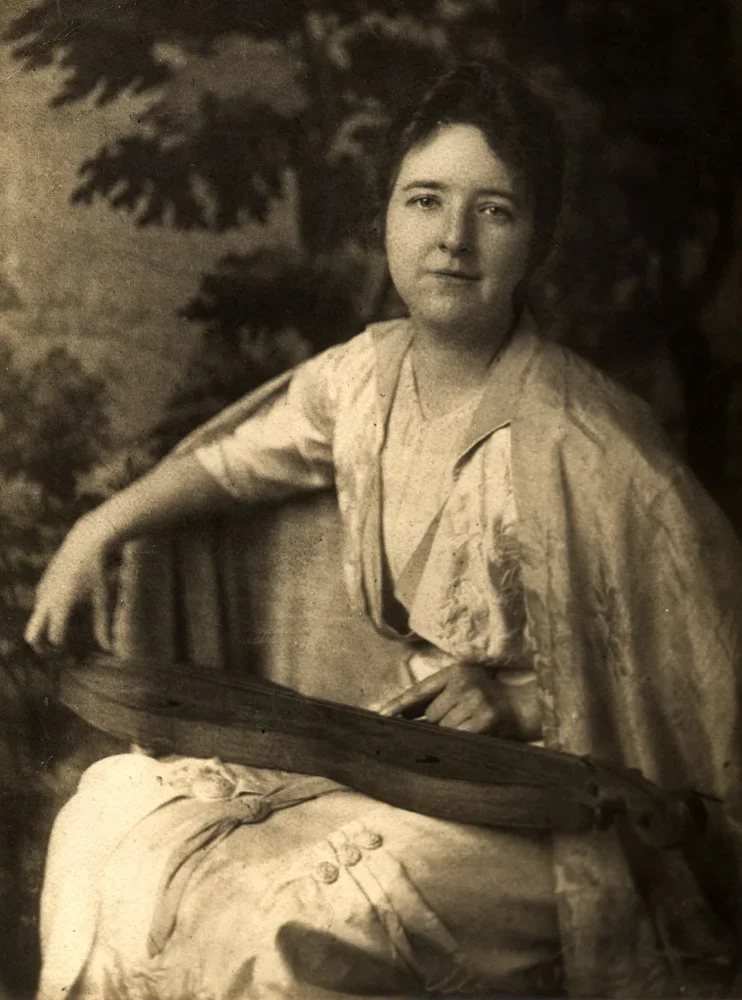
Ethel DeLong Zande
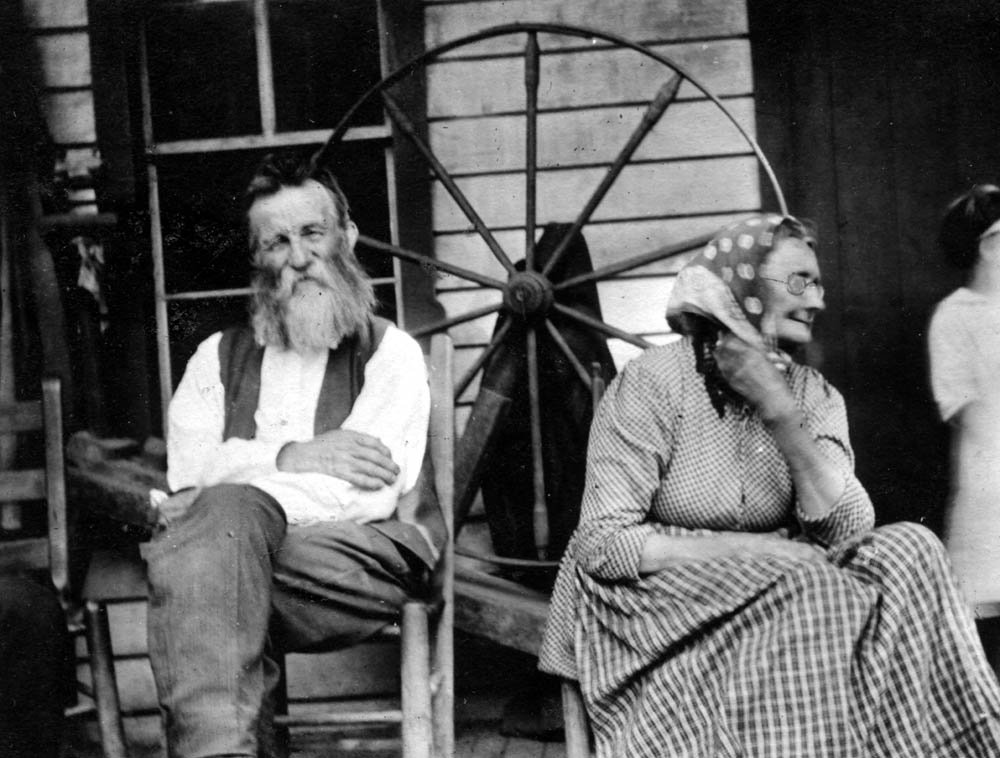
William Creech didn't build the school alone. In May 1899, Katherine Pettit of Lexington was approached while hiking through Harlan County by residents who asked her to start a school for their children; she promised to return one day, and did in 1911, by then having co-founded the Hindman Settlement School in Knott County and spent years listening to mountain communities describe what they needed. Back in Harlan County, she met William and Sally Creech, who had built a life out of the wilderness on the headwaters of Greasy Creek since the Civil War. William had spent three decades dreaming of a school that would bring modern agriculture, science-based health care, and quality education to the region's children, and in Pettit he recognized a kindred spirit — so he offered his land to make the dream real.
To help build it, Pettit brought in Ethel de Long, a Smith College graduate from New Jersey then serving as principal of Hindman, who shaped the new school's curriculum and used her gift for writing and public speaking to raise the funds it needed. To design the campus, they enlisted architect Mary Rockwell Hook of Kansas City, one of the earliest women to practice architecture professionally in the United States; her buildings, many still standing today, drew from the region's vernacular traditions and helped earn the campus its status as a National Historic Landmark. The settlement school movement that shaped Pine Mountain had roots in urban settlement houses like Hull House, but Pettit and her colleagues adapted that model for rural Appalachia — not as charity, but as reciprocity, educators and community members learning alongside one another. In Ethel de Long's words, "Back and forth the shuttle flies."
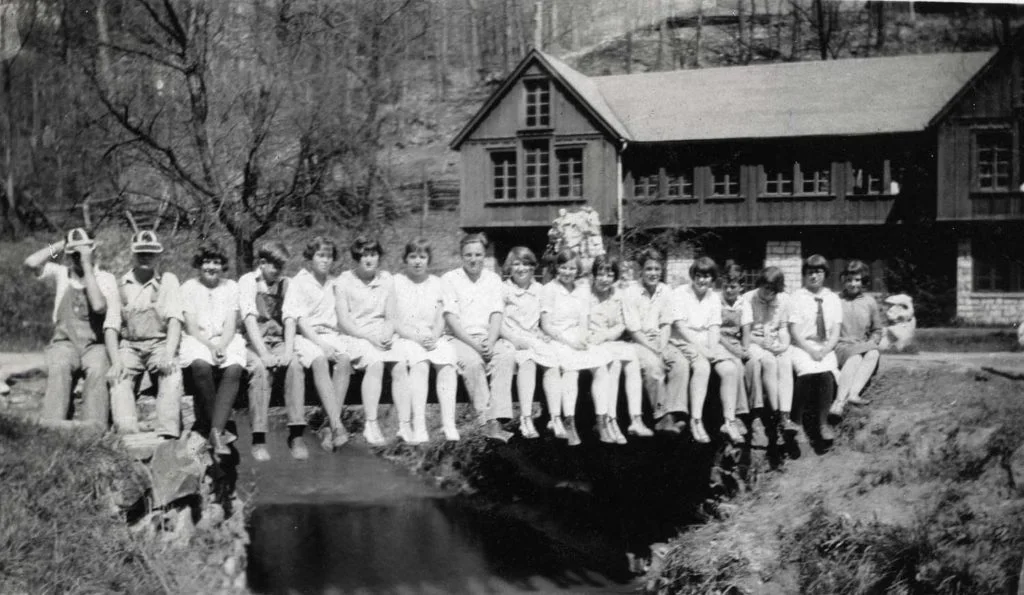
Elementary Years: 1913–1930
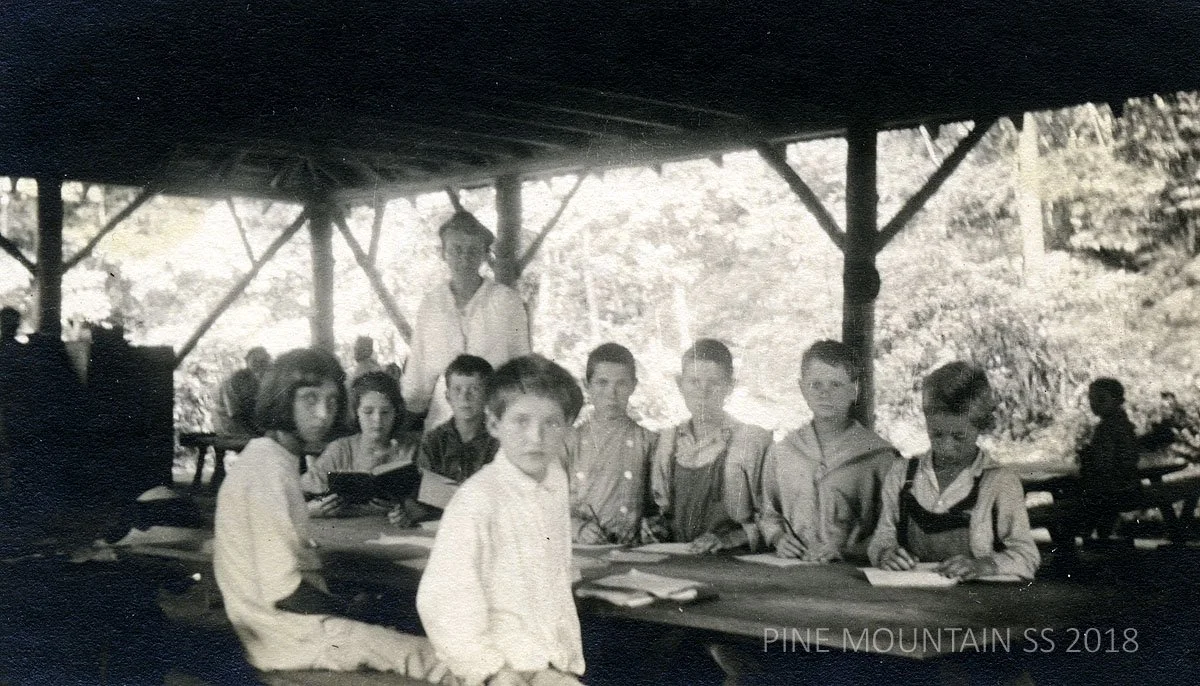
In its first decade and a half, Pine Mountain focused primarily on children in the primary and middle grades. Students came from hollows and hillsides throughout the region, many of them the first in their families to receive a formal education. The curriculum blended academic instruction with the folk traditions of the mountains — music, weaving, storytelling, and the practical arts of farming and homemaking — not as quaint additions to "real" learning, but as the foundation of it.
The early years also saw the development of medical outreach programs that served the surrounding communities, including a satellite medical settlement at Big Laurel, where doctors and nurses cared for families who might otherwise have had no access to healthcare. This commitment to the whole person — body, mind, and spirit — ran through everything the school did.
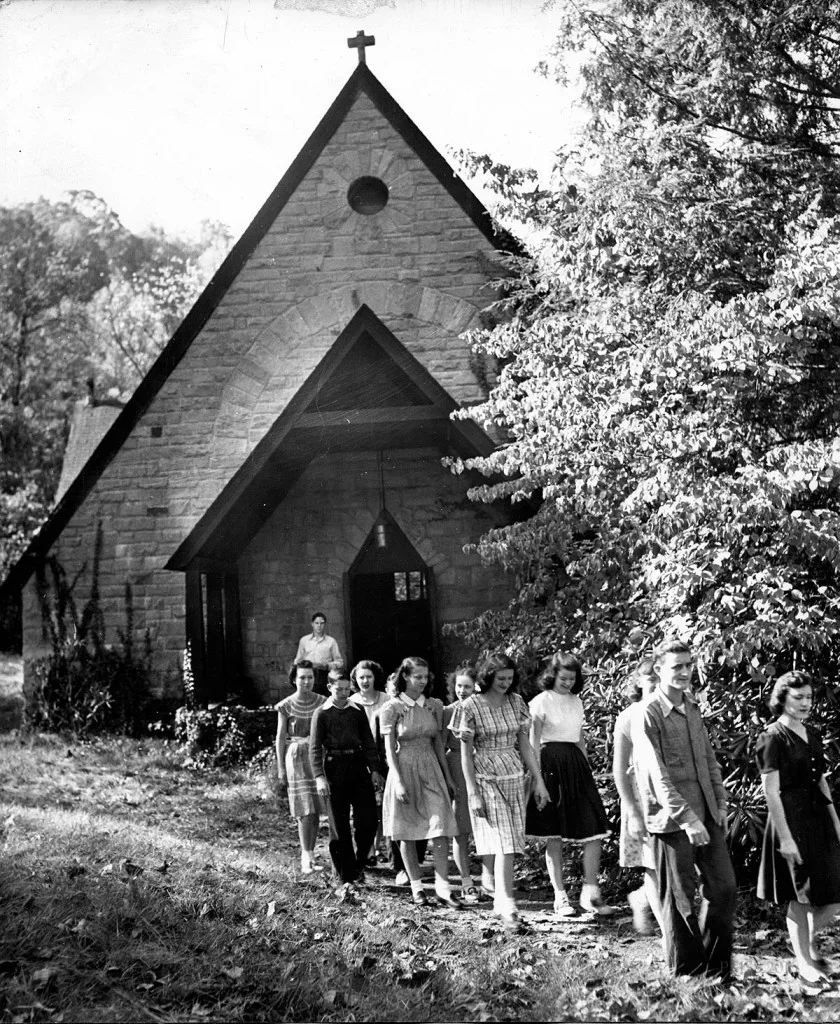
High School Years: 1930–1949
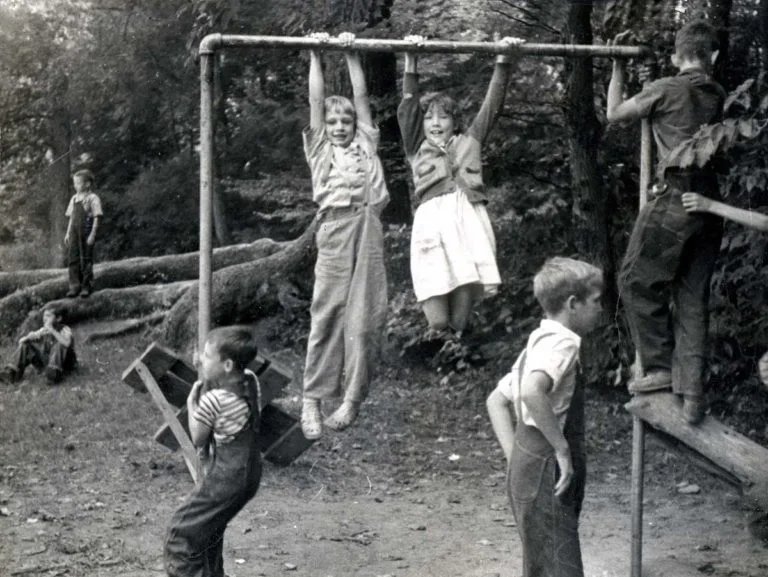
By the 1930s, the educational landscape in Eastern Kentucky was shifting as one-room schoolhouses made elementary education more accessible across the region, so Pine Mountain transitioned to a boarding high school, serving older students until 1949. Under the leadership of Glyn Morris and Arthur Dodd, the school built an avant-garde four-year curriculum organized around the practical needs of Appalachian students' lives: "Living Together" built civic responsibility, "Man's Physical Needs" ran a student-owned cooperative store, "Man's Social Responsibilities" sent students into community service, and "Specialization" sharpened the academic and vocational skills — from agriculture and carpentry to nursing and auto mechanics — they'd need after graduation. A student-run Citizenship Committee made and enforced the school's rules.
These were the years when the school's identity deepened in ways that would echo for generations. Students produced the school newspaper. Girls' musical groups performed centuries-old mountain ballads. Drama productions filled the evenings, and The Pine Cone newsletter kept alumni connected across the miles. A vibrant, unlikely institution had taken root in one of the most remote corners of Appalachia — and it was fully alive.
The Community School Years: 1949–1972
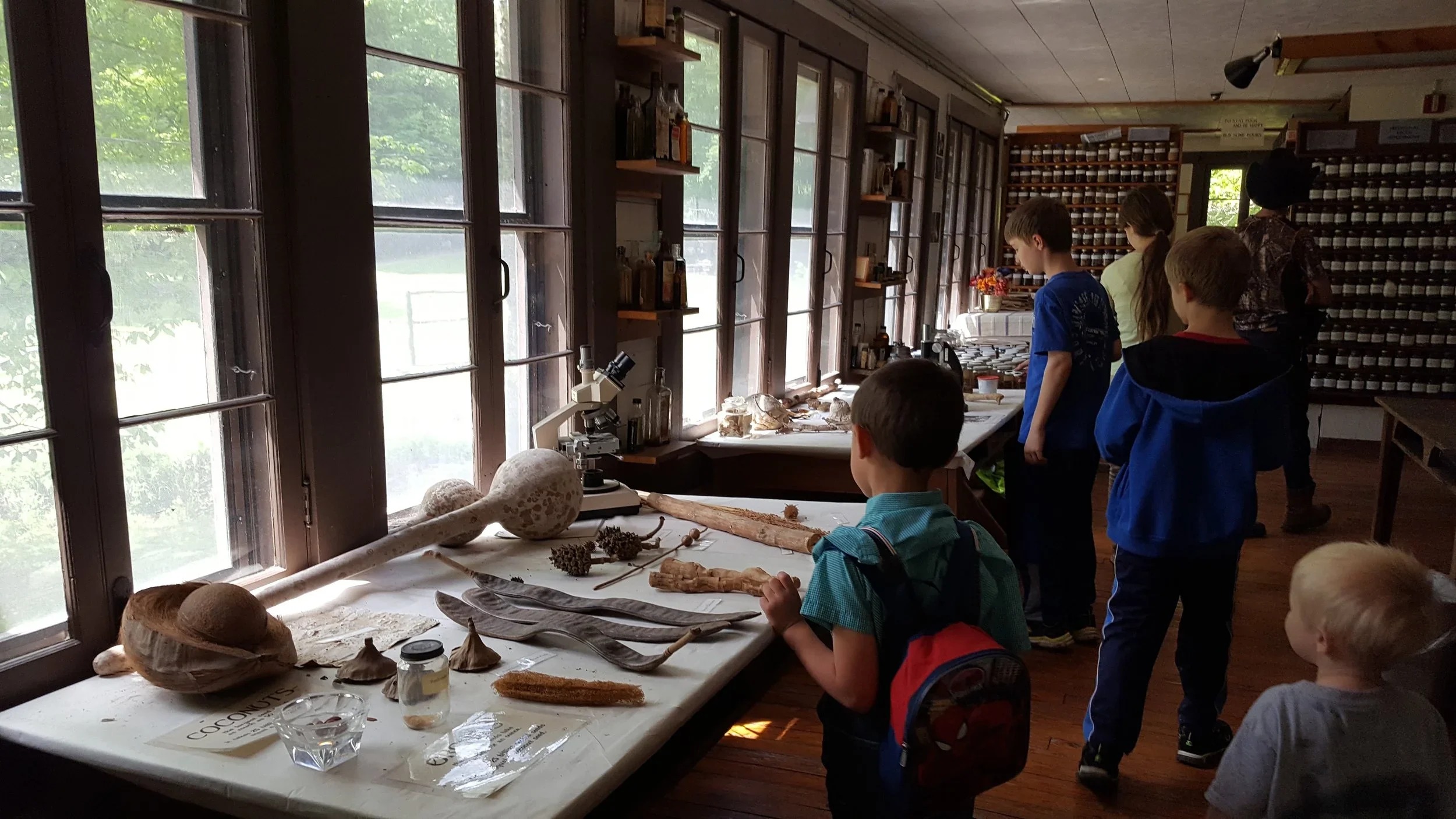
In 1949, Pine Mountain entered into partnership with the Harlan County school system and became a community day school, serving local children from kindergarten through eighth grade with teachers employed by the county but still committed to the school's distinctive pedagogy. It was also during this era that visionary educators like Millie Mahoney developed early childhood programs at Pine Mountain that would eventually inform the design of the national Head Start program — the school had always believed education begins long before a child sets foot in a classroom, and the country was beginning to catch up.
The farm remained central to campus life, the weaving room hummed, and folk music and dance continued to be taught as living traditions rather than historical artifacts. The school even transformed a former dorm into a community hospital. Throughout, it held to its conviction that learning is most powerful when connected to place — to this land, these mountains, this community.
Becoming an Environmental Education Center: 1972–Present
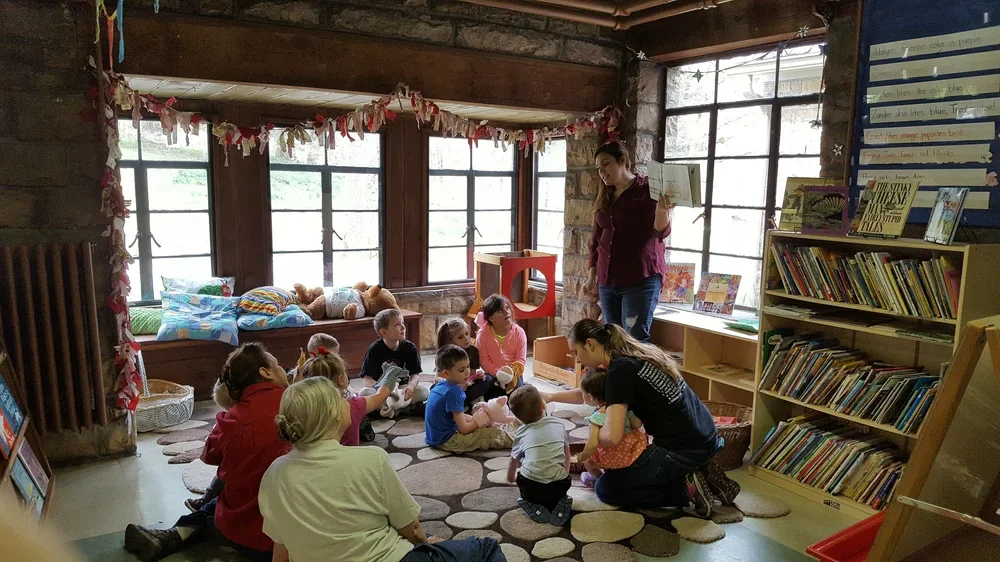
By the early 1970s, Harlan County had built a new elementary school and was preparing to move operations off campus, leaving Pine Mountain's future uncertain. The staff gathered, deliberated, and made a decision that would define the next five decades: transform the school's boarding infrastructure into an environmental education center offering immersive, overnight learning in the natural world. It was a bold choice, and it worked — with Mary Rogers helping set the standard for one of the earliest such programs in the Southeast, the Environmental Education program still welcomes more than 3,000 students each year for hands-on learning in the forests, streams, and fields of Pine Mountain.
At the same time, the school expanded its circle. A renewed commitment to community took shape in the 2010s through a growing farm program — now five certified organic acres supporting more than 80 local growers and feeding over 300 family members through the Farm Institute and the Harlan County Farmers Market. Summer programs brought local children back to campus, community arts nights filled the old buildings with music, and the school began going out into area classrooms to reach students who couldn't always come to the mountain.
The Thread That Holds
What is striking about Pine Mountain Settlement School's history is not simply that it survived — though survival in rural Appalachia across 113 years is no small thing. What is striking is how coherent the story is. The school has been a boarding school for elementary children, then for high schoolers; a community day school; an environmental education center; a farm training program, a retreat center, a folk arts school, a conference host, a community kitchen. It has been many things, at many different moments, in response to many different needs.
And through all of it, the thread holds: a belief that education is best when it is rooted in place, connected to community, and grounded in the living traditions of the people it serves. William Creech understood that when he deeded his land. Katherine Pettit and Ethel de Long understood it when they came to build. And the people who show up here today — students on school trips, local families in the farm program, adults coming for a weekend workshop, researchers poring over photographs from 1920 — understand it too, even if they don't always have words for it right away.
Some places teach you something. Pine Mountain is one of them.